

Andalusia is one of the most spectacular regions in Spain and, without a doubt, one of our favourites in Europe. With its Moorish palaces, white hilltop villages, delicious tapas, and fiery sunsets over historic monuments, every day in the south of Spain brings a new wave of discoveries.
If you’re planning your first trip to Andalusia, a 10-day itinerary gives you the time to explore several iconic cities while truly soaking up the local atmosphere. We’ve put together a complete circuit through 3 unmissable destinations: Malaga, Granada, and Seville. Expect a full dose of culture, gastronomy, and moments of pure relaxation along an immersive route through southern Spain.

Crédit photo: The Storytellers MTL
Our 10-Day Andalusia Itinerary at a Glance
Here’s a quick overview of our suggested circuit:
- Days 1 to 3: Malaga and its surroundings
- Day 4: Drive to Granada
- Days 5 and 6: Granada and the Alhambra
- Day 7: Drive to Seville
- Days 8 to 10: Seville
Getting Around Andalusia Between Cities
This itinerary is designed to be done by bus, train, or rental car. Andalusia is well served by public transit, and the connections between the three cities are short and easy to arrange.
Malaga to Granada (approx. 1h30)
The easiest option is by car (A-45 highway), which also lets you stop in villages along the way. By public transit, the most convenient option is the direct Alsa bus, which makes the journey in 1h30 to 2 hours for around 10 to 15 euros. There is no direct rail connection between Malaga and Granada.
Granada to Seville (approx. 2h30)
The connection is available by bus (Alsa, approximately 3 hours, 20 to 25 euros) or by car (approx. 2h30 via the A-92). Driving is recommended if you plan to stop in the white villages along the way. By train, the journey requires a connection at Antequera-Santa Ana and takes approximately 3 hours.
Rental Car vs. Public Transit
- Public transit: ideal if you’re staying in the major cities and have no planned excursions outside the historic centres. It’s the most economical option.
- Rental car: recommended if you want to do the Caminito del Rey, visit Ronda, or explore the white villages at your own pace.
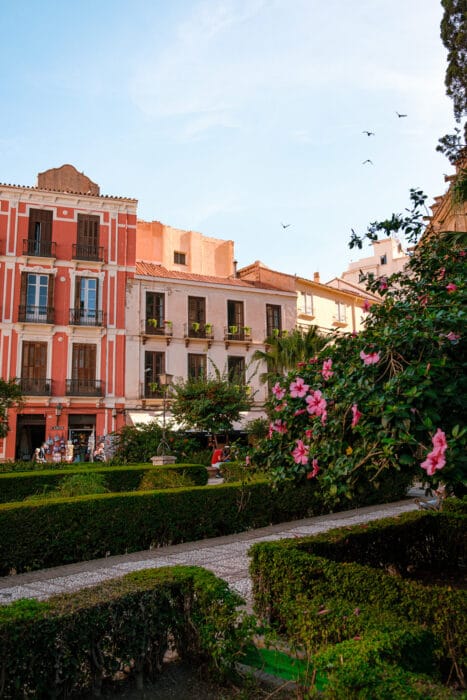
Crédit photo: The Storytellers MTL
Days 1 to 3: Malaga, the Gateway to Andalusia
Day 1: Arrival in Malaga
Your Andalusia adventure begins in Malaga, a vibrant city on the Costa del Sol. The airport is well connected from Canada and across Europe, making it an excellent entry point for a southern Spain itinerary.
After arriving, take your time settling in and wandering through the historic centre at a relaxed pace. The atmosphere is easygoing, the narrow streets are charming and lively, and they set the tone for the trip immediately.
For a first evening in Malaga, start by exploring:
- Malaga Cathedral
- The streets around Calle Larios, the city’s main artery
- The small squares lined with terrace restaurants
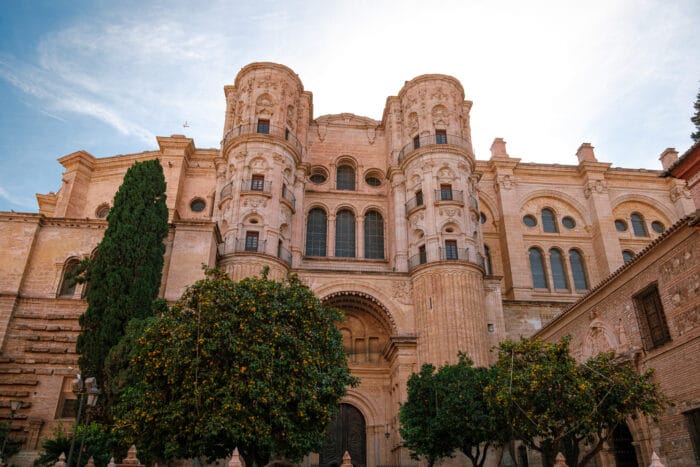
Crédit photo: The Storytellers MTL
End the evening at a tapas bar to enjoy your first Andalusian specialties. If you’re wondering what to eat during your trip to Andalusia, we’ve put together a complete guide with all our recommendations.
-

- Crédit photo: The Storytellers MTL
-

- Crédit photo: The Storytellers MTL
Day 2: Malaga’s Unmissable Highlights
For your second day, dedicate the time to exploring the city’s historic sites. One of the most impressive is the Alcazaba de Malaga, an ancient Moorish fortress that dominates the city from the heights. From up there, the view over the harbour and Malaga’s rooftops is absolutely spectacular.
-

- Crédit photo: The Storytellers MTL
-

- Crédit photo: The Storytellers MTL
Nearby, also plan to visit:
- The ancient Roman theatre, located right at the foot of the Alcazaba
- The Picasso Museum, dedicated to the city’s most famous native son
- Gibralfaro Castle, accessible on foot from the Alcazaba
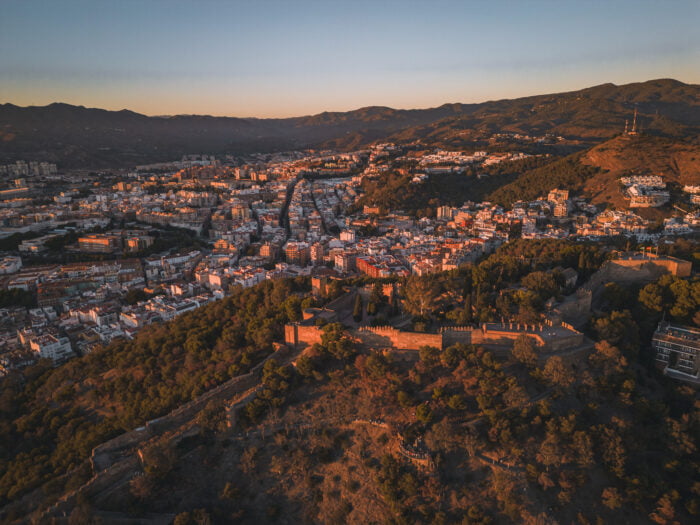
Crédit photo: The Storytellers MTL
In the afternoon, head toward the waterfront to enjoy the beaches, including the famous Malagueta, or take a stroll through the beautiful Malaga Park. In the evening, the bars and restaurants in the historic centre offer a wonderful atmosphere to end the day.
-

- Crédit photo: The Storytellers MTL
-

- Crédit photo: The Storytellers MTL
Day 3: Day Trip from Malaga
For your third day, you have two options. The first is to continue exploring Malaga at your own pace, visiting its markets (like the Atarazanas), art galleries (the Centre Pompidou is just steps from the beach), and neighbourhood cafés.

Crédit photo: The Storytellers MTL
The second option is to head out on a day trip from the city. Some of the most popular excursions from Malaga include:
-
- The Caminito del Rey, a spectacular walkway suspended through mountain gorges, one of the most impressive hikes in Spain
- Nerja, a charming coastal village known for its cliffs, beaches, and the Balcón de Europa with sweeping views over the Mediterranean
- Ronda, a mountaintop city in the Serranía de Ronda, famous for its dizzying Puente Nuevo bridge spanning a gorge over 100 metres deep. Pair it ideally with a stop at Setenil de las Bodegas, a fascinating troglodyte village where the houses are literally built into the rock face
These excursions offer a completely different side of Andalusia, one of natural landscapes and picturesque villages.
For an even more detailed guide, find all our suggestions in our article on the best things to do in Malaga.
-

- Crédit photo: The Storytellers MTL
-
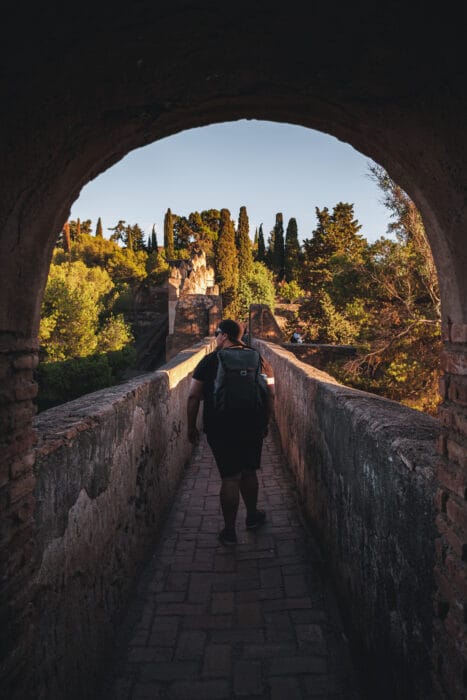
- Crédit photo: The Storytellers MTL
-

- Crédit photo: The Storytellers MTL
Days 4 to 6: Granada and the Alhambra
Day 4: Drive from Malaga to Granada
After three days in Malaga, hit the road toward Granada. The journey takes about 1h30 and winds through the mountain landscapes of inland Andalusia, a beautiful transition between the coast and the interior of the region.
On arrival in Granada, take your time strolling through the historic centre and getting pleasantly lost in its charming narrow streets. The city has a completely unique atmosphere, shaped by its deep Arab heritage.
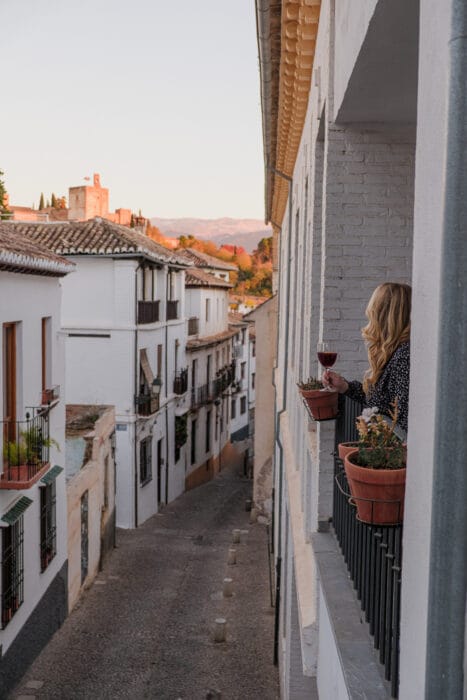
In the late afternoon, make your way to the Albaicín neighbourhood. This historic quarter is famous for its miradors (viewpoints), including the Mirador de San Nicolás, which offers a breathtaking view over the Alhambra and the Sierra Nevada, one of the most beautiful spots to watch the sunset in all of Andalusia.
Day 5: Visiting the Alhambra
No trip to Andalusia is complete without visiting the Alhambra, one of the most impressive monuments in Spain and one of the most visited historic sites in Europe.

Crédit photo: The Storytellers MTL
This immense palatial complex, built in the 13th century during the Muslim period, includes:
- The Nasrid Palaces, with their mosaics and sculpted arches of extraordinary finesse and detail
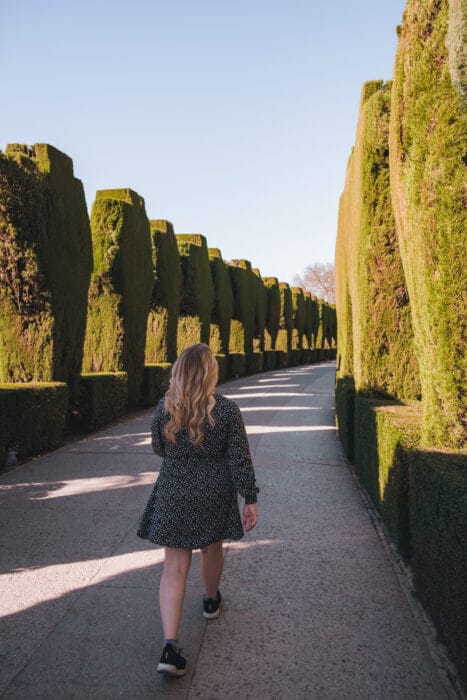
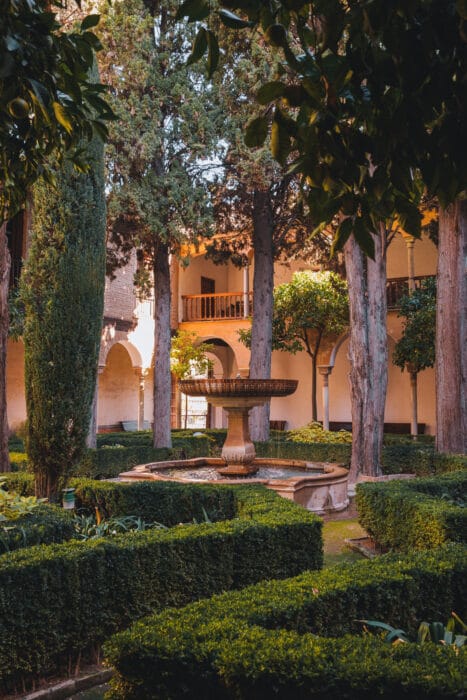
- The Generalife Gardens, a small and deeply peaceful green paradise
- The Alcazaba fortress, with its panoramic tower overlooking the Albaicín
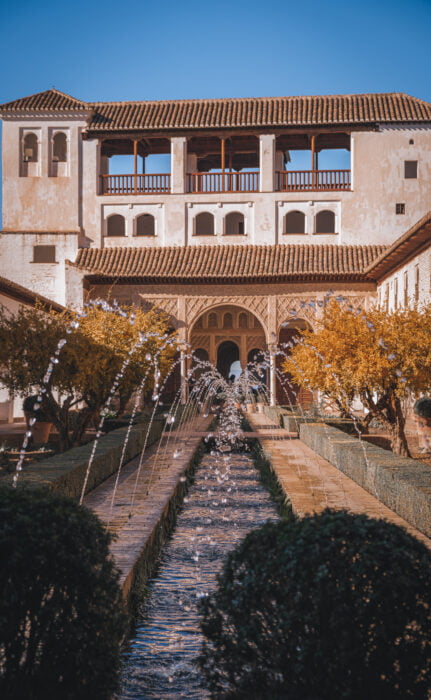
Crédit photo: The Storytellers MTL
The visit can easily take half a day to a full day. Budget plenty of time to fully enjoy each section of the site. It’s also important to know that you’ll need to choose a specific entry time for the Nasrid Palaces, we recommend visiting them first, then continuing to the gardens and the fortress.
-
- Crédit photo: The Storytellers MTL
-
- Crédit photo: The Storytellers MTL
In the evening, head back into the city centre for a good paella or tapas at one of Granada’s many bars. Unlike other Spanish cities, Granada has a wonderful tradition of serving a free tapas (the house’s choice) with every drink. It’s a habit you’ll happily get used to.
Important: Alhambra tickets often sell out several weeks in advance. Book yours as soon as your itinerary is confirmed on the official website.
Day 6: Exploring Granada’s Historic Neighbourhoods
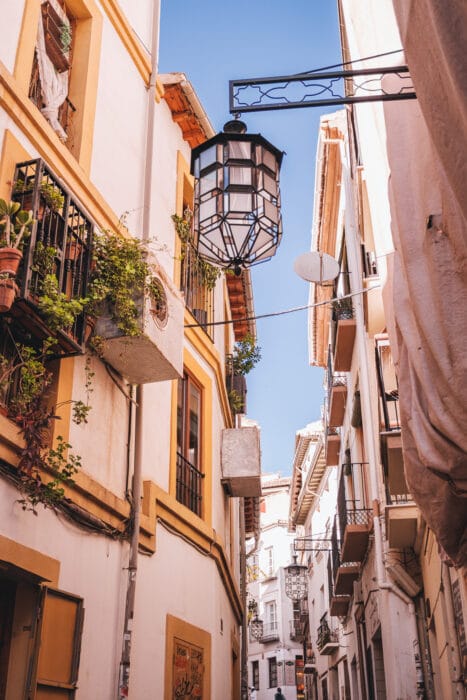
For your second full day in Granada, we recommend discovering the city at a slower pace. Begin by getting lost in the alleyways of the Albaicín, a UNESCO World Heritage quarter. This labyrinth of whitewashed lanes is one of the best-preserved neighbourhoods in all of Andalusia. Take a break to savour traditional tea and pastries in one of the quarter’s tea houses (teterías).

Crédit photo: The Storytellers MTL
Next, make your way to the Sacromonte neighbourhood, known for its cave houses carved into the rock and its traditional flamenco shows. It’s a cultural experience not to be missed.

Crédit photo: The Storytellers MTL
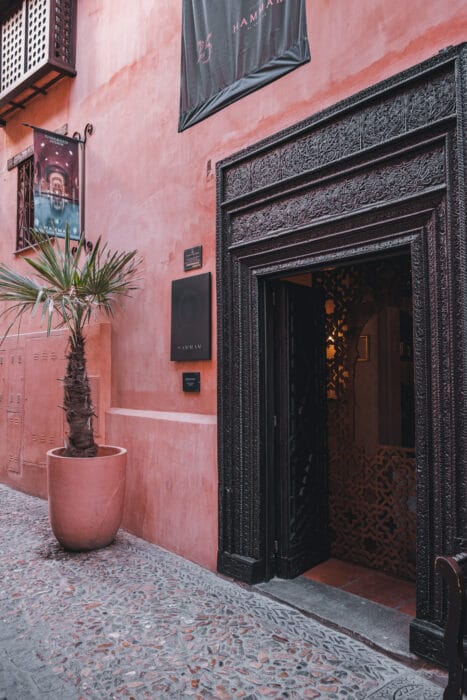
If time allows, treat yourself to a session at the magnificent Hammam Al Ándalus in Granada, relaxing in their warm pools and steam baths in an absolutely idyllic setting.
-
- Crédit photo: The Storytellers MTL
-

- Crédit photo: The Storytellers MTL
For even more activity suggestions, check out our complete Granada travel guide.
Days 7 to 10: Seville, the Capital of Andalusia
Day 7: Arrival in Seville
After Granada, your journey through southern Spain continues to Seville, the capital of Andalusia. The drive or bus ride takes about 2h30. On arrival, head out to explore the historic centre on foot. Seville is home to some of the region’s most impressive monuments, many of which you can discover simply by wandering.
Crédit photo: The Storytellers MTL
Start with a stroll around:
- Seville Cathedral, one of the largest Gothic cathedrals in the world
- La Giralda, the former minaret turned iconic bell tower of the city
- The small streets of the Santa Cruz neighbourhood, the old Jewish quarter

Crédit photo: The Storytellers MTL
In the evening, enjoy the lively atmosphere of the terrace bars and tapas spots that line the historic squares.
Day 8: Seville’s Most Iconic Monuments
Seville is packed with historic sites and places to visit. We recommend dedicating your first full day to the two most emblematic monuments in the city.
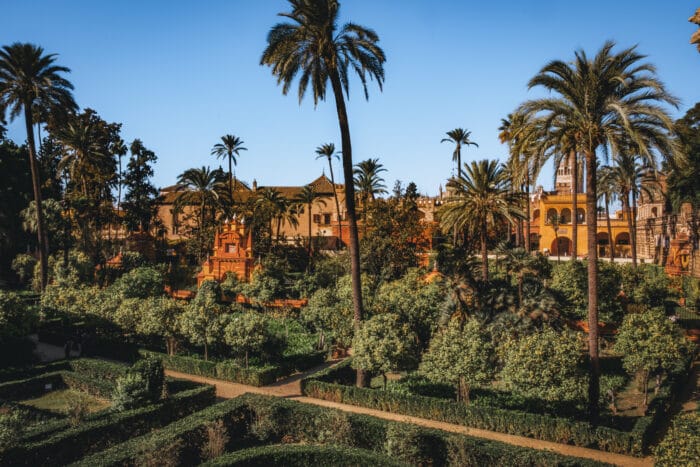
The Alcazar of Seville
This royal palace is a masterpiece of Mudéjar architecture, blending Moorish and Christian influences, with its lush gardens and intricately decorated patios. Interestingly, it is one of the oldest royal palaces in Europe that is still in active use today.

Crédit photo: The Storytellers MTL
Plaza de España
Built for the Ibero-American Exposition of 1929, this enormous semi-circular plaza is one of the most photographed spots in Andalusia. It’s especially beautiful in the late afternoon, when golden light washes over its ornate facades. If the weather cooperates, you can even take a boat ride along the small canal at the centre of the square.
-

- Crédit photo: The Storytellers MTL
-

- Crédit photo: The Storytellers MTL
Day 9: Off the Beaten Path in Seville
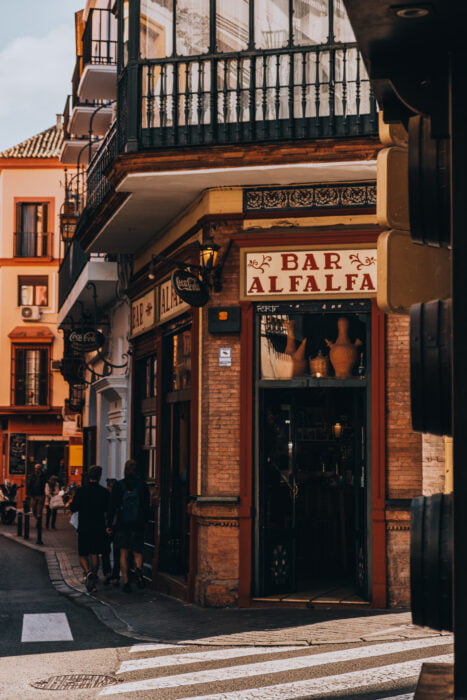
After visiting the main monuments, take the time to discover a more local side of Seville. Cross the Guadalquivir River to explore the Triana neighbourhood, famous for its authentic atmosphere, artisan ceramics, and tapas bars. It’s also the ideal place to catch a traditional flamenco show in an intimate setting.

Crédit photo: The Storytellers MTL
In the evening, let instinct guide you through the lively lanes of the historic centre or visit the remarkable Setas de Sevilla (also known as Metropol Parasol) to admire its colourful display and a unique bird’s-eye view over the city.

Crédit photo: The Storytellers MTL
Day 10: Last Hours in Seville
For your final day in Andalusia, make every moment count before heading to the airport. A few ideas for a perfect send-off:
- Visit a local market and pick up a few regional products to take home
- Browse the artisan shops of the historic centre
- Savour a last coffee on a sunny terrace
- Revisit a favourite spot from earlier in the trip, like the Plaza de España
Crédit photo: The Storytellers MTL
We share all our other Seville favourites in our complete guide to the city.
Andalusian Food: What You Absolutely Must Try
Food is an essential part of any trip to Andalusia. Across the region, meals often take the form of tapas, small sharing plates enjoyed with friends over a glass of local wine, sangria, or a tinto de verano.
Dishes you absolutely must try during your itinerary:
- Jamón ibérico, found everywhere throughout the region
- Pan con tomate, the traditional breakfast of bread with fresh tomatoes
- Croquetas, filled with jamón, salt cod, or squid ink
- Fresh seafood and paellas
- Tortilla española, the classic Spanish omelette with potatoes
- Churros, crispy on the outside, soft inside, served with a cup of rich melted dark chocolate
- Pintxos, bite-sized snacks served on a small slice of bread, topped with a variety of regional ingredients
For all our favourite addresses and gourmet recommendations, check out our complete guide on where to eat and drink in Andalusia!
-

- Crédit photo: The Storytellers MTL
-

- Crédit photo: The Storytellers MTL
Budget for a 10-Day Trip to Andalusia
Andalusia remains a relatively affordable destination within Europe. Here’s a realistic budget range to help you plan:
Accommodation: Between 100 and 200 euros per night for a comfortable hotel in the city centre. More economical apartment options are available from around 50 euros.
Restaurants: Count on 15 to 30 euros per person for a full meal, not including drinks. Tapas bars are often a great way to eat well for less at local spots.
Transportation: Trains and buses between cities are fast, comfortable, and affordable (roughly 20 to 40 euros per leg depending on how far in advance you book). A rental car offers more flexibility, especially for day trips outside the major cities.
Attractions: Budget approximately 23 euros for the Alhambra, 40 euros for the Alcazar of Seville, and 10 euros for the Alcazaba in Malaga combined with Gibralfaro Castle.
-
- Crédit photo: The Storytellers MTL
-
- Crédit photo: The Storytellers MTL
Practical Tips for Your Andalusia Itinerary
Book the Alhambra Well in Advance
Tickets frequently sell out weeks ahead, especially in high season. Book as soon as your trip is confirmed on the official website.
Avoid the Hottest Months
Summer in Andalusia can be gruelling, with temperatures regularly topping 40 degrees Celsius in Seville and Granada. The best times to visit the region are spring (March to May) and fall (September to November).
Bring Comfortable Shoes
The historic centres are explored almost entirely on foot, often over uneven cobblestones. The right footwear will make a real difference by the end of the day.
Leave Room to Wander
Andalusia reveals itself best when you’re not following a rigid plan. The best surprises often come when you’re not looking for anything in particular.
Do You Need a Rental Car?
A car isn’t essential for travel between the major cities, which are well served by train and bus. It becomes genuinely useful if you want to do day trips to places like Ronda, the Caminito del Rey, or the white villages.
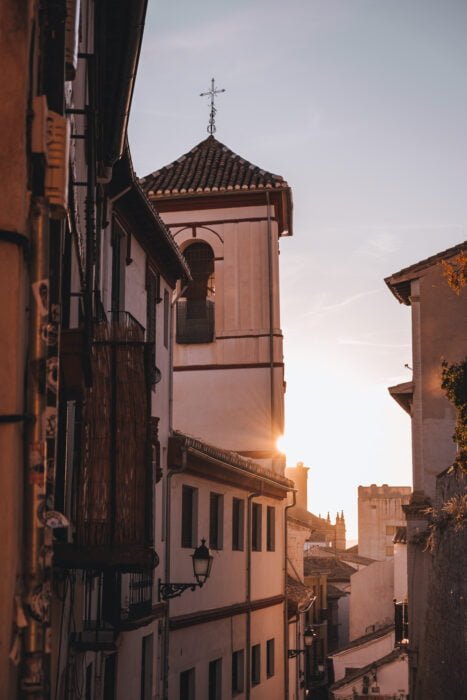
Crédit photo: The Storytellers MTL
With its historic palaces, vibrant neighbourhoods, and generous gastronomy, Andalusia is an ideal destination for a 10-day trip through southern Spain. For a first visit, this itinerary through Malaga, Granada, and Seville gives you the full essence of the region while letting you soak up the unique atmosphere that has made Andalusia famous around the world. Between culture, Andalusian landscapes, and unforgettable food experiences, this journey promises a truly immersive trip through one of Europe’s most fascinating regions.
*Some links in this article are affiliate links. This means that if you make a purchase by clicking on one of these links, we receive a small commission at no additional cost to you.
*Enjoyed this article and want more travel inspiration? Sign up for our newsletter now to stay up to date on the latest trends and our favourite recommendations!