
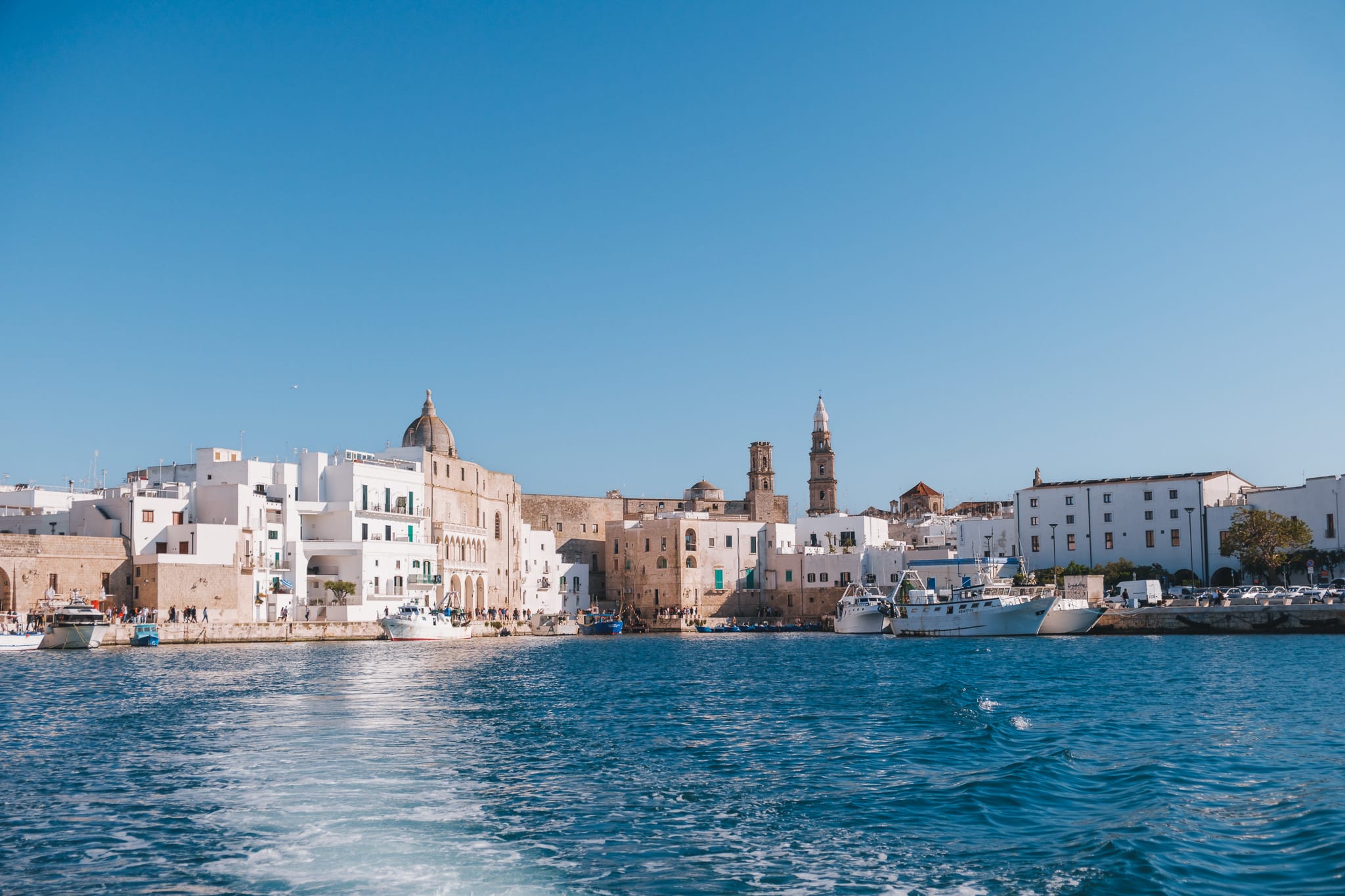
Some destinations make you want to slow down and truly savour every moment, and Puglia is definitely one of them! Southern Italy had been on our list for years, so expectations were high going in, and it was definitely worth the wait! With a spectacular coastline, charming villages around every corner and a cuisine that celebrates hyper-local ingredients at every meal, this is the kind of place that makes you want to stretch time and stay just a little longer.
To help you plan your first trip to this exceptional Italian region, we’re sharing our complete 12-day itinerary, our recommendations and our top picks for 12 days between Bari, Monopoli, Polignano a Mare, Alberobello, Lecce, Otranto and Matera (Basilicata)!
Whether you’re planning a couple’s trip, a getaway with friends or a solo adventure, this itinerary strikes the perfect balance between exploring historic towns, beach days, food detours and breathtaking scenery that you’ll be talking about long after you’re back home.
-

- Crédit photo: The Storytellers MTL
-
- Crédit photo: The Storytellers MTL
Why you should add Puglia to your trip in Italy
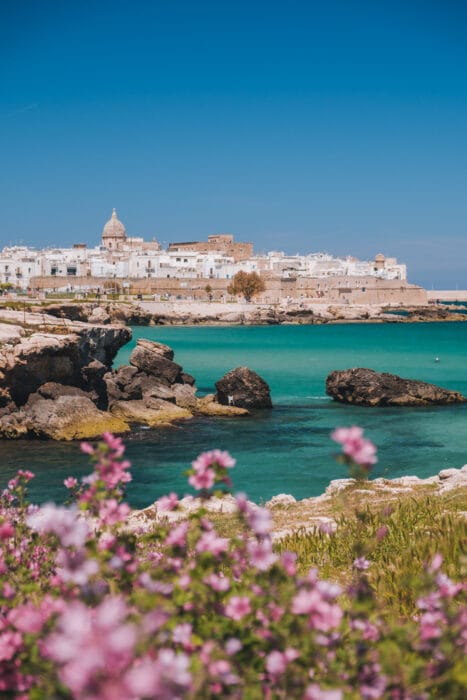
Puglia (also known as Apulia) forms the heel of Italy’s boot, a long peninsula bordered by the Adriatic Sea and the Ionian Sea. Long under the radar compared to the Amalfi Coast, Rome or the Dolomites, the region has held onto its authenticity in a way that many popular Mediterranean destinations simply haven’t. From masserias (traditional farmhouses converted into charming accommodations) to kilometres of white sandy beaches and crystal-clear turquoise waters that invite you to linger all day long, Puglia delivers everything you’d hope for and more.
Crédit photo: The Storytellers MTL
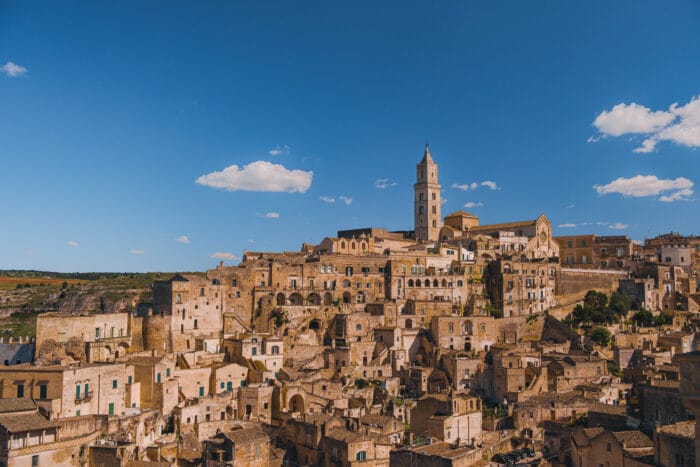
Matera, though technically in the neighbouring region of Basilicata, is a natural addition to any Puglia itinerary. Named a UNESCO World Heritage Site and selected as a European Capital of Culture in 2019, it’s one of the oldest continuously inhabited cities in the world, carved directly into the rock.
Crédit photo: The Storytellers MTL
What struck us most during our trip to Puglia was the pace of life. Southern Italy isn’t meant to be rushed through with a checklist in hand, jumping from one attraction to the next. It’s meant to be savoured, between two espressos at the bar counter and a focaccia enjoyed by the water during the evening passeggiata, at the same unhurried pace as the locals.
Getting Around Puglia
Not wanting to drive during our trip, we opted for trains and buses throughout, and we loved every bit of it. You can certainly reach more isolated spots by renting a car, but we were genuinely impressed by the availability, reliability and efficiency of public transportation, even in low season. Here’s a breakdown of the transport options between the main cities.
Bari to Monopoli (approx. 35 min)
The simplest and most affordable connection is a direct Trenitalia train. Departures are frequent and tickets are very reasonably priced (under 5 euros). We recommend buying your ticket in advance on trenitalia.com or via the app so your ticket is automatically validated, avoiding any risk of a fine.
Monopoli to Lecce (approx. 1h15)
Also via Trenitalia, with a few connections depending on the schedule. The ride passes through beautiful Puglian countryside.
Lecce to Matera (approx. 3h30)
For this leg, we took Flixbus. It’s the most practical option for reaching Matera from Lecce or Bari, but make sure to book in advance at flixbus.com
Rental Car vs. Public Transit
- Public transit: ideal for this itinerary. All the main destinations are well connected and tickets are very affordable.
- Rental car: recommended if you want to explore the Valle d’Itria in depth (e.g. Locorotondo, Ostuni, Cisternino) or if you’re staying at a masseria outside of town. Worth noting that several historic centres including Monopoli and Matera have restricted access zones, which means extra parking logistics. You won’t be able to leave your car in the historic centre even if your accommodation is located there.
Our 12-Day Puglia and Matera Itinerary
Days 1 & 2: Bari, Gateway to Puglia
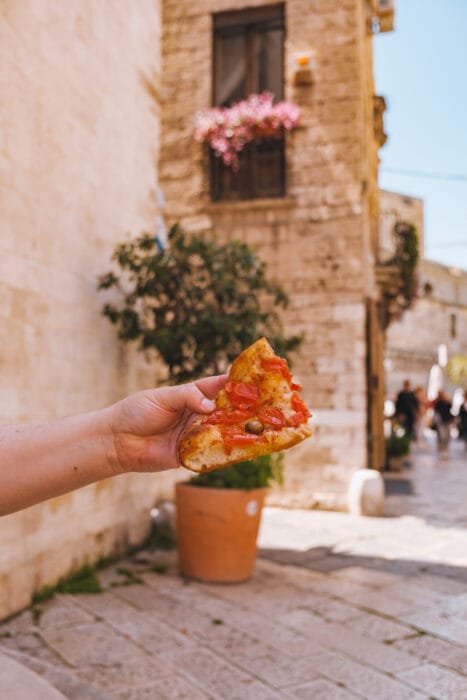
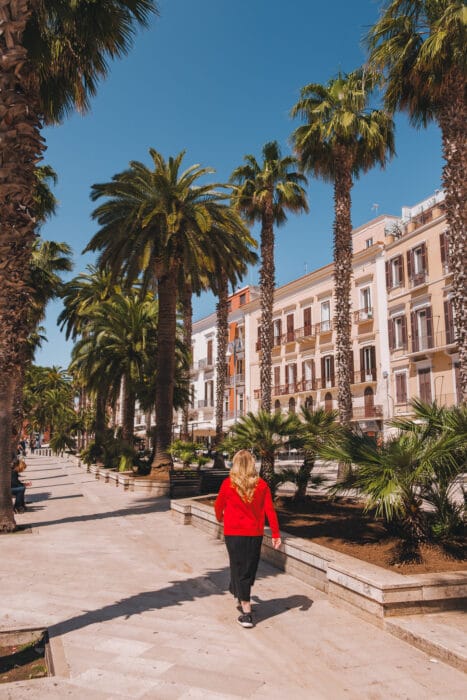
Puglia’s capital is often treated as a simple layover city since that’s where the airport is, but it genuinely deserves a proper stay. Its historic neighbourhood, Bari Vecchia, is a labyrinth of charming streets that you wander through without any particular plan, letting the smell of freshly baked focaccia barese guide the way. Two nights is ideal for seeing the highlights without feeling rushed.
-
- Crédit photo: The Storytellers MTL
-
- Crédit photo: The Storytellers MTL
-
- Crédit photo: The Storytellers MTL
Must-Sees in Bari
- Bari Vecchia: the historic neighbourhood to explore on foot. Perfect for getting happily lost for a few hours.
- Panificio Santa Rita: the best focaccia barese of the entire trip, 5 euros for 4 generous slices that are absolutely worth it. Budget at least 30 to 45 minutes of waiting time (trust us, it’s worth every minute). You’ll also meet Rino, the queue manager who maintains order with remarkable dedication. Stay alert and step forward when he calls your number, as indicated on the door.
- Your first espresso at the bar counter: standing at the counter of a local bar for your morning coffee is the simplest way to experience the city the way residents do, and it’s cheaper than sitting at a table.
- Castello Svevo (Norman-Swabian Castle): impressive both from the outside and inside. Entry costs 10 euros if you want to visit the interior.
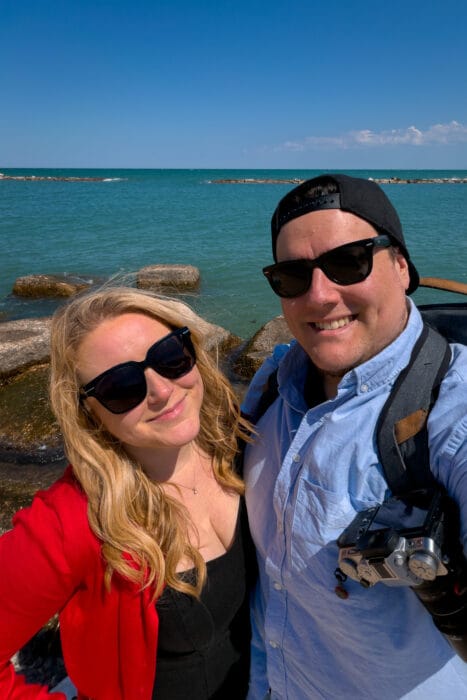
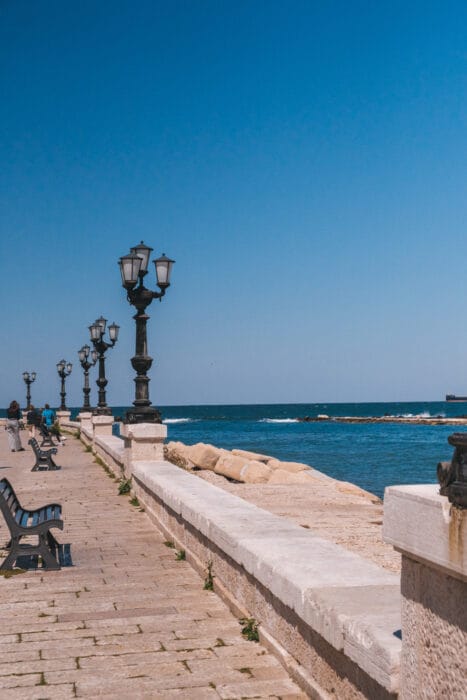
- Lungomare: for a gentle seaside stroll and water that’s far bluer than we ever expected. A genuinely lovely surprise.
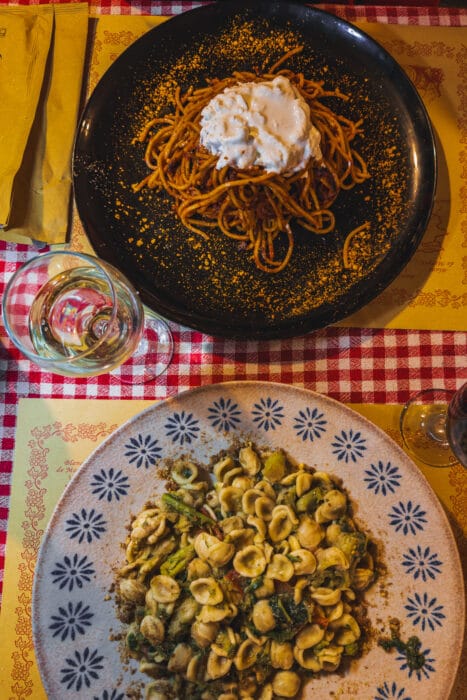
- Anto Ristorante: for an excellent meal in Bari. We strongly recommend trying their two house specialties: orecchiette with cime di rapa (turnip greens) and spaghetti all’assassina. Two absolutely outstanding dishes, especially paired with a glass of local red wine. Bonus: the complimentary limoncello they serve after you pay, perfect to sip on the walk home.
- Martinucci Laboratory: a refreshing gelato to end the day. The cherry (very popular in the region), pistachio and dark chocolate flavours are all worth trying.
-
- Crédit photo: The Storytellers MTL
-
- Crédit photo: The Storytellers MTL
*A note on the Orecchiette Street: the famous Strada Arco Basso, where local nonnas are making pasta by hand in the street, turned out to be a little more touristy than we’d imagined. The nonnas were less present in the afternoon, and the whole thing felt more commercial than we’d expected. Worth a quick look if you want to pick up some orecchiette, but social media has over-hyped this one in our opinion.
Days 3 to 7: Monopoli, Our Puglia Favourite
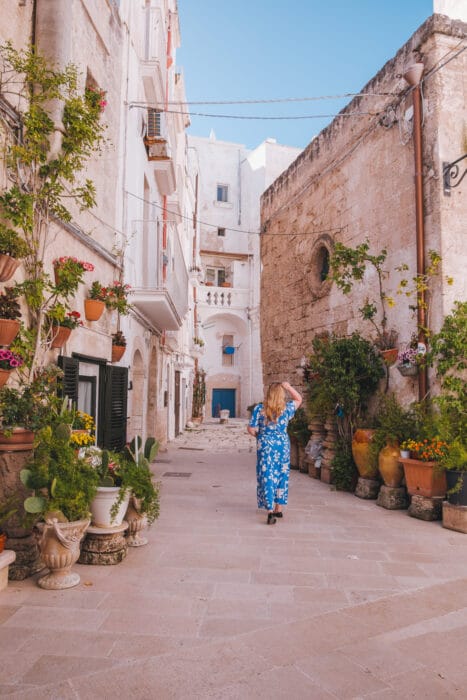
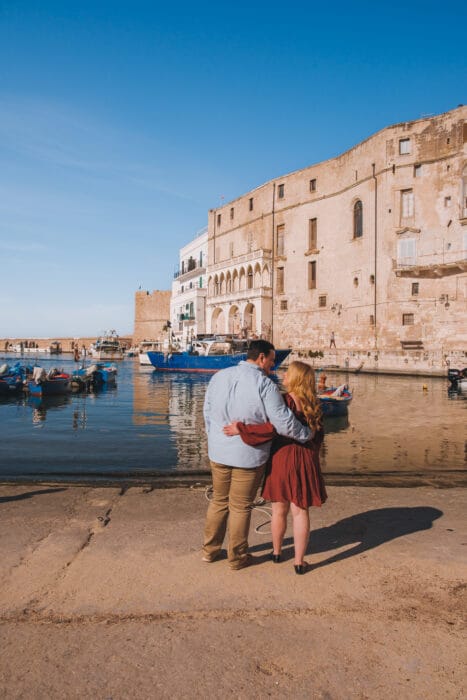
If we had to name our favourite city of the entire trip, it would be Monopoli, hands down. We spent five nights there and could have easily stayed for twice as long. The city is authentic and perfectly sized, with a colourful fishing harbour (the Porto Antico), a charming old town and a series of turquoise beaches all within easy walking distance from the centre. It’s also the ideal base for day trips to Polignano a Mare and Alberobello.
Our accommodation was a real find too, perfectly located in the centre, spacious, and fully equipped for cooking a few meals inspired by everything we were discovering in the region.
-
- Crédit photo: The Storytellers MTL
-
- Crédit photo: The Storytellers MTL
-
- Crédit photo: The Storytellers MTL
Key Spots to Discover in Monopoli
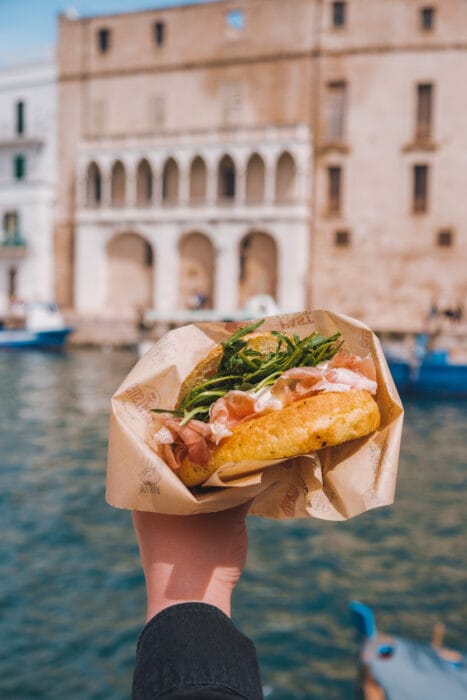
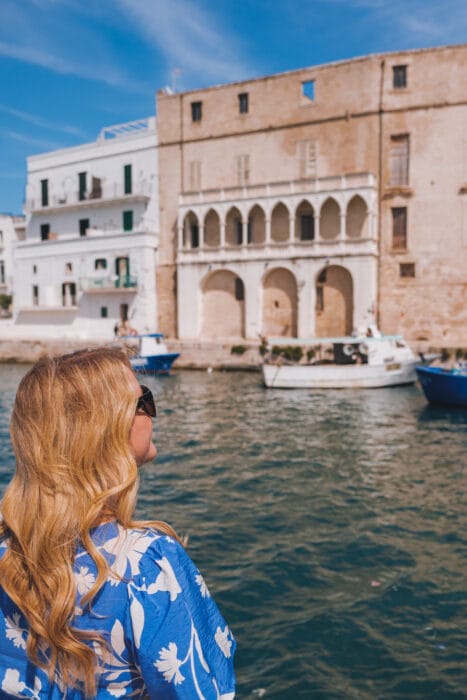
- Porto Antico: the small harbour with its blue fishing boats, the most charming spot in town for a quick bite or simply sitting down to watch the sunset with an Aperol Spritz. This is also where you can book boat excursions to the Polignano a Mare sea caves, which we cover a little further below.
- Centro Storico: a beautiful old town to wander at your own pace, including a gorgeous waterfront perfect for strolling and stopping. You’ll find plenty of charming terraces and restaurants in this neighbourhood, from a quick puccia (the region’s local sandwich), a panzerotti for under 5 euros, to a full sit-down dinner with local flavours.
The Beaches of Monopoli
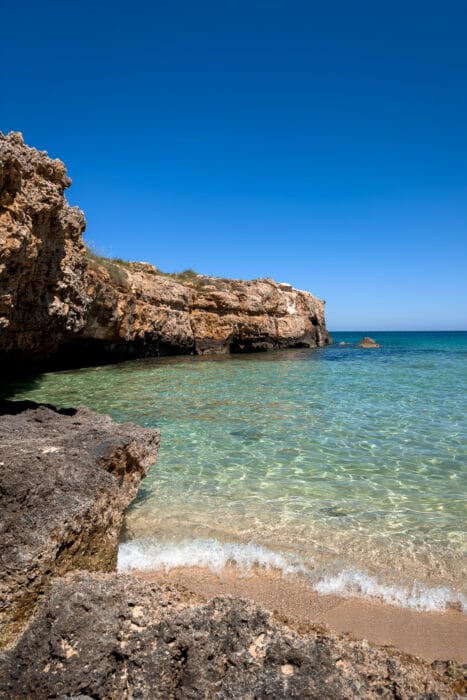
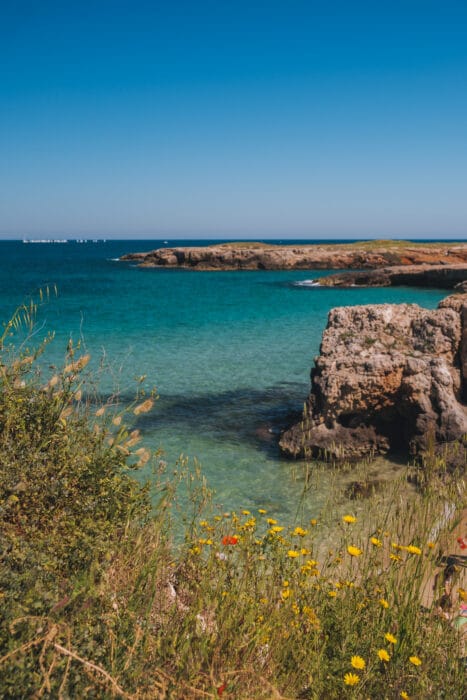
Cala Porta Vecchia, Porto Bianco, Porto Rosso and Cala Paradiso are all walkable from the centre. Travelling at the end of April, we weren’t sure swimming would even be on the table, but we got lucky with warm, sunny days and the absolute joy of swimming in the turquoise waters of the Adriatic. It was fresh but not too cold, the perfect first swim of the year, and even more magical than we’d hoped for under the Italian sun.
- Porto Verde: a stunning beach tucked between cliffs that provide shelter from the wind. This was our absolute favourite beach of the trip. We would have gone back every single day if our itinerary had allowed it.
- Porto Bianco: small pebble beach with very clear water.
- Porto Rosso: larger sandy beach, good swimming conditions.
- Cala Paradiso: the most wild and secluded of the four. Worth the extra walk.
- Cala Porta Vecchia: the closest to the centre, with flat rocks for sunbathing.
-
- Crédit photo: The Storytellers MTL
-
- Crédit photo: The Storytellers MTL
Day Trip: Polignano a Mare, the Pearl of the Adriatic
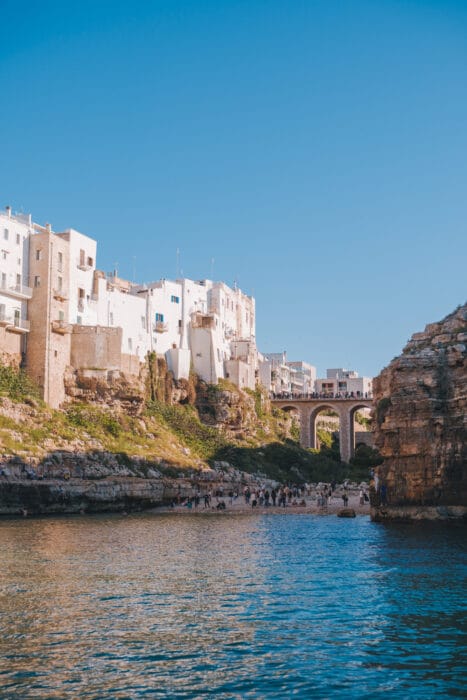
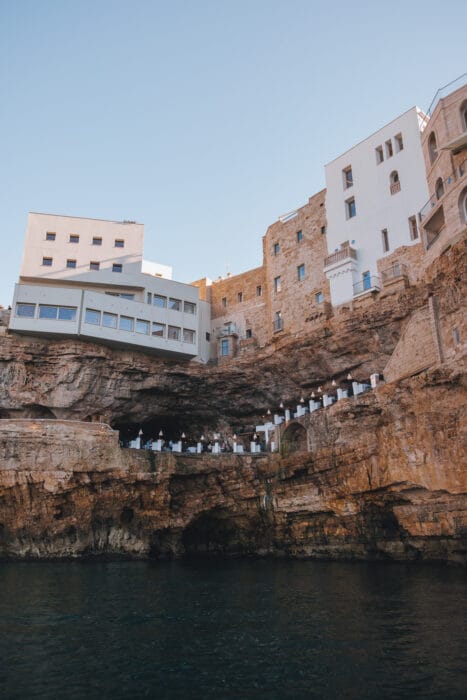
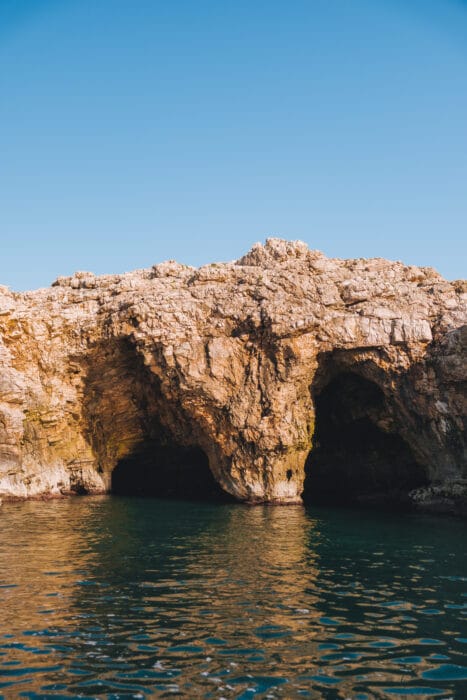
Reachable from Monopoli in under 10 minutes by train, Polignano a Mare is probably the most photographed town in Puglia, and it earns every shot. The Lama Monachile beach, nestled between two white limestone cliffs, is even more spectacular seen from the sea. In our case, a train delay forced us to improvise: we ended up finding spots on a boat tour of the sea caves, and it turned into the highlight of the whole day.
- Lama Monachile beach: worth seeing even if you don’t swim. The view from Ponte Borbonico is absolutely unmissable.
- Sea caves by boat: several operators run tours from both Monopoli and Polignano. Consider this your plan A, not just a backup.
- Old town: whitewashed lanes perched above the cliffs, with boutiques and terraces often overlooking Lama Monachile.
-
- Crédit photo: The Storytellers MTL
-
- Crédit photo: The Storytellers MTL
-
- Crédit photo: The Storytellers MTL
Day Trip: Alberobello’s fairy tale village
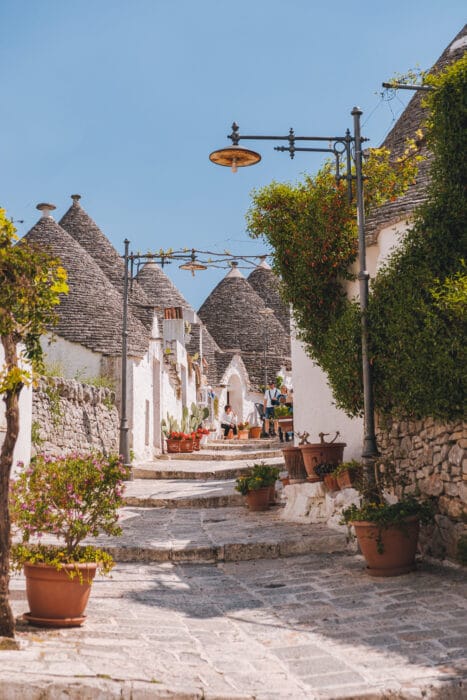
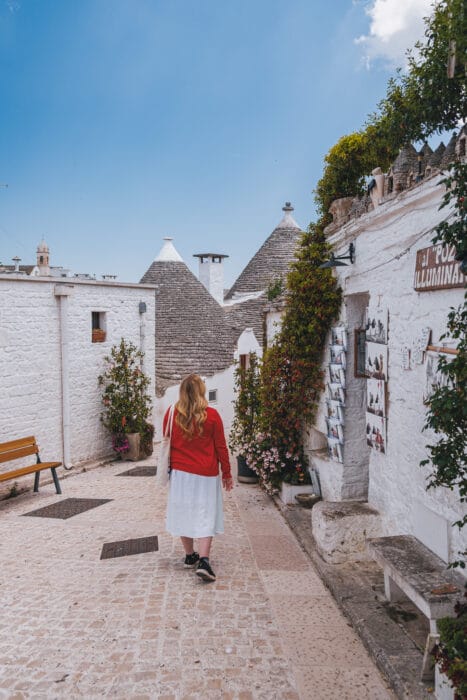
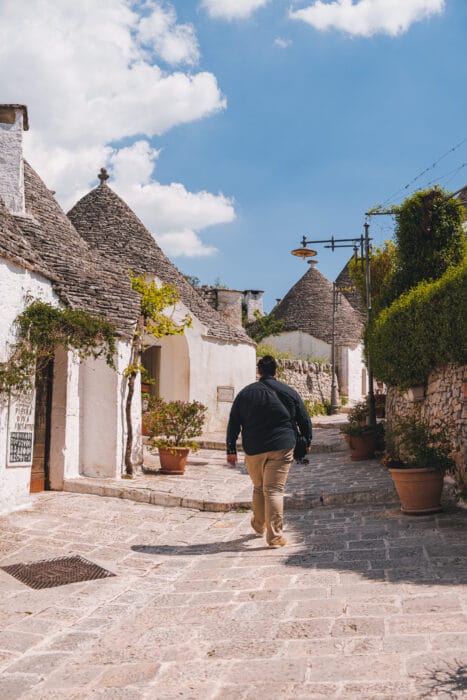
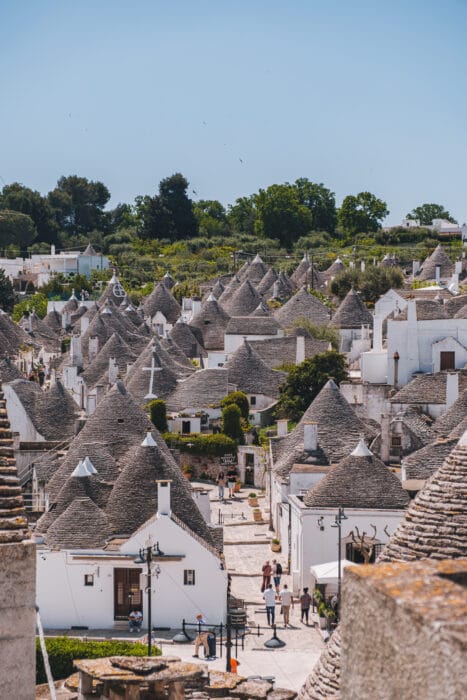
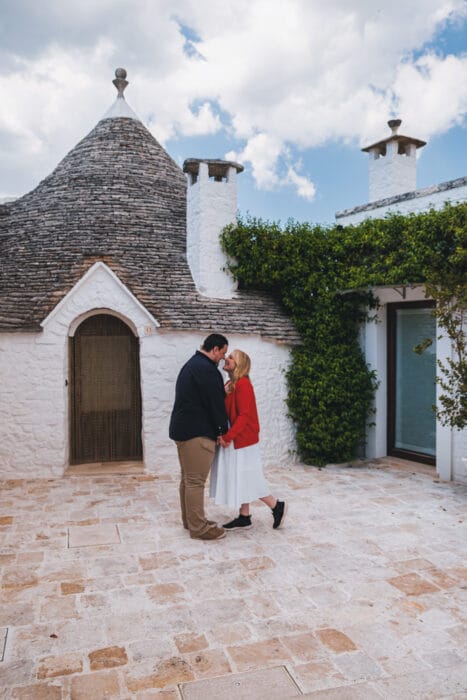
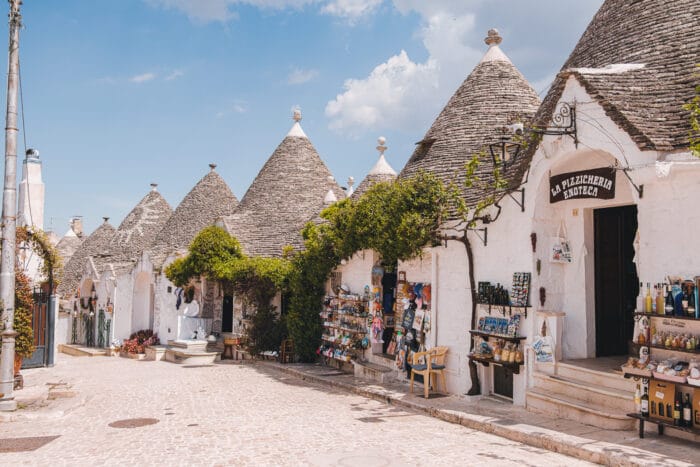
An UNESCO World Heritage Site, Alberobello is a village that looks like it was lifted straight from a fairy tale! Famous for its trulli, round stone-roofed houses unique to the Valle d’Itria, the origins of these remarkable structures date back to the 16th century.
Yes, it’s a touristy town, but the landscape and trulli-lined streets are genuinely worth the trip. The Rione Monti neighbourhood has the best concentration of trulli and is best explored early in the morning or around sunset to avoid the crowds.
-
- Crédit photo: The Storytellers MTL
-
- Crédit photo: The Storytellers MTL
-
- Crédit photo: The Storytellers MTL
If you’re looking for a terrace with a spectacular view of those iconic cone-shaped rooftops, stop at Bar Rione Monti. Or if you’d prefer a quieter break, pack a picnic and head to the park in front of the Chiesa di Sant’Antonio da Padova. That shaded park, slightly off the tourist path, is an ideal spot when it’s hot and dry out.
From Monopoli, you can reach Alberobello by bus. The trip takes about 1 hour and we recommend buying your ticket in advance at the Lentini agency on Piazza Sant’Antonio. If your budget allows, spending a night in a trullo is an experience worth having. Otherwise, a half-day visit is plenty.
Crédit photo: The Storytellers MTL
Days 8 to 10: Lecce and the Salento Peninsula
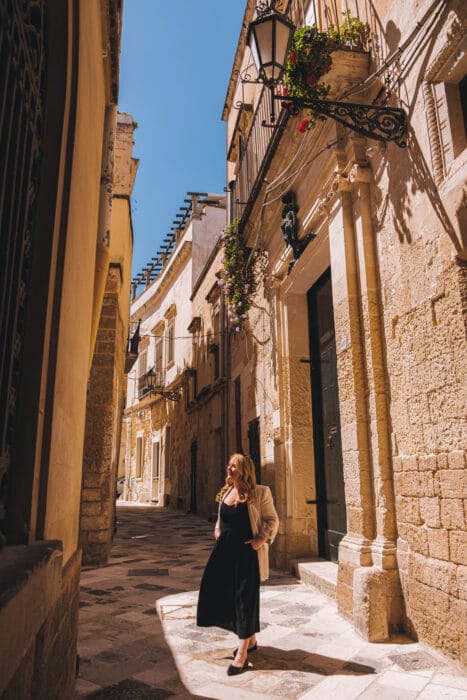
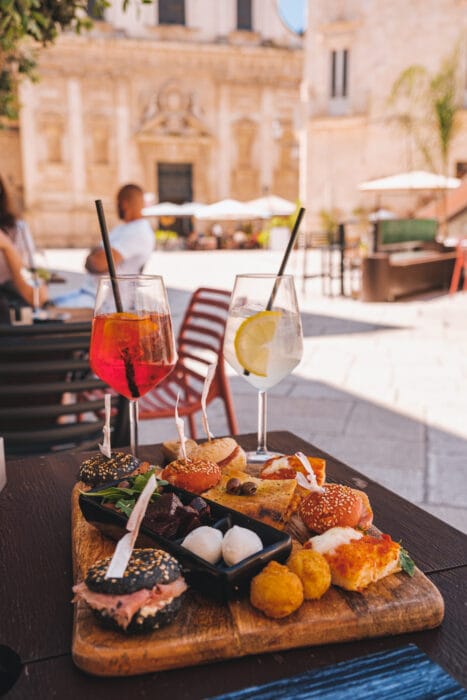
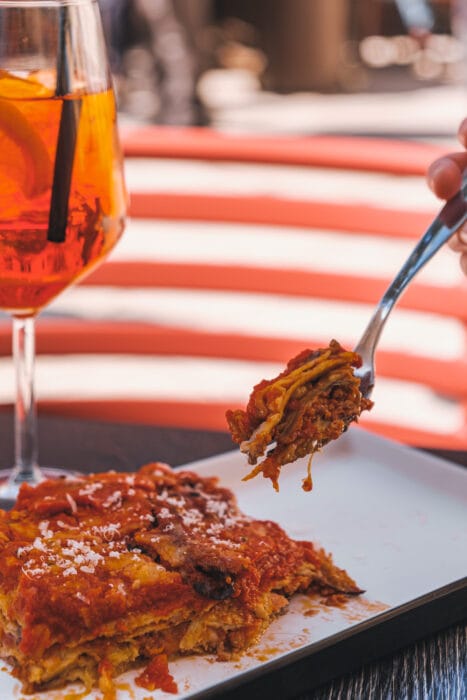
Nicknamed the Florence of the South, Lecce impresses from the very first minutes. The city is just as enjoyable by day as it is in the evening, with a lively terrace culture and a deeply rooted aperitivo tradition. A food lover’s dream destination, Lecce is also well known for its delicious local specialties: the Caffe Leccese (espresso over ice with almond milk), the pasticciotto (a cream-filled pastry) and the Leccese-style parmigiana with aubergine.
-
- Crédit photo: The Storytellers MTL
-
- Crédit photo: The Storytellers MTL
Lecce is also an excellent base for exploring the Salento peninsula. We recommend spending at least 2 full days here to really soak up the pace and the gastronomy.
Must-Sees in Lecce
- Piazza del Duomo: one of the most beautiful squares in all of Italy, enclosed on three sides.
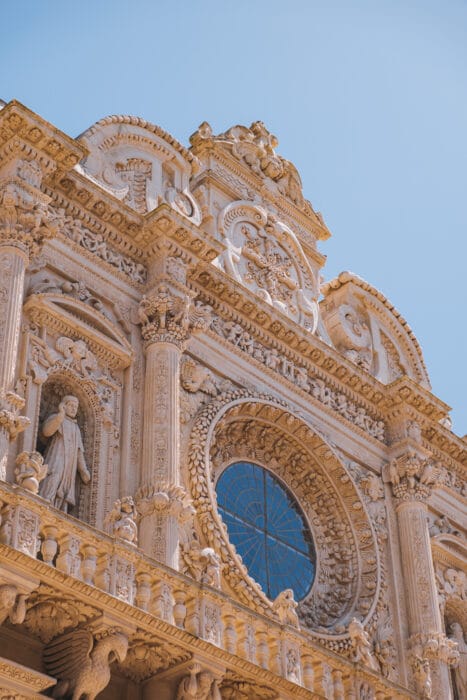
- Basilica di Santa Croce: the most spectacular Baroque church in the city, stunning in the late afternoon light.
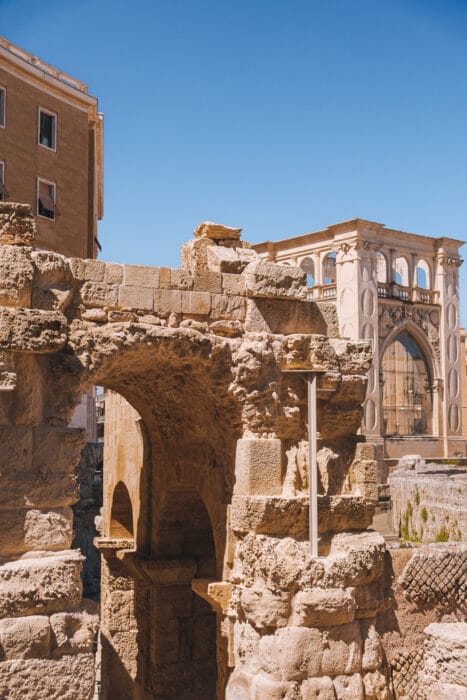
- Piazza Sant’Oronzo: the central square, with the remains of an impressive Roman amphitheatre excavated beneath it.
- Porta Napoli: the triumphal arch marking the northern entrance to the old town.
-
- Crédit photo: The Storytellers MTL
-
- Crédit photo: The Storytellers MTL
-
- Crédit photo: The Storytellers MTL
Day Trip: Otranto, at the Tip of Italy’s Heel
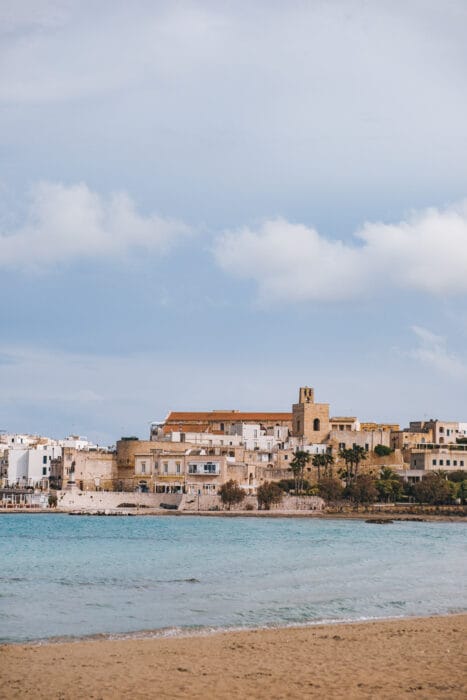
If you’re craving more time by the sea, we recommend a day trip to Otranto, located at the very tip of Italy’s heel and easily reachable from Lecce.
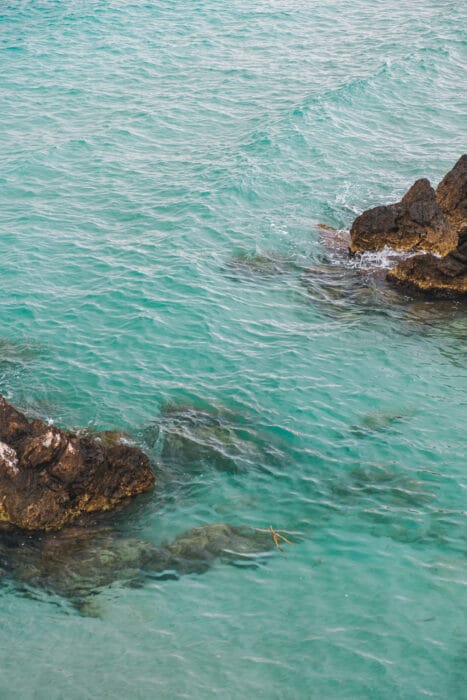
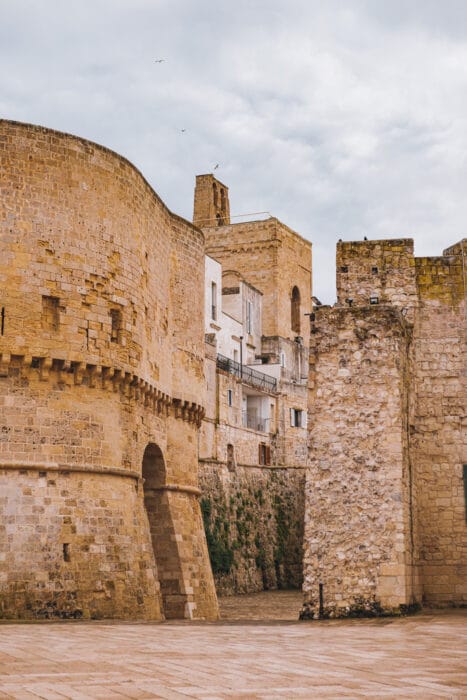
Even though our visit started under the rain, we got lucky as the sky cleared to reveal some of the most brilliantly turquoise water in all of Puglia. It was a bit too cold and windy for swimming that day, but that took nothing away from the pleasure of exploring this beautiful city. The historic centre is absolutely charming, with its well-preserved ramparts, 15th-century Aragonese castle and winding cobblestone lanes.
-
- Crédit photo: The Storytellers MTL
-
- Crédit photo: The Storytellers MTL
-
- Crédit photo: The Storytellers MTL
Outside of town, there are several natural sites worth the detour, though harder to access without a car. During peak season, a special shuttle service runs along the coast to the following highlights:
- Torre Sant’Andrea: one of the most photogenic spots in the Salento for its dramatic rock formations and natural pools.
- Torre dell’Orso: a large fine-sand beach with the iconic Due Sorelle rock formation in the background.
- Grotta della Poesia: a prehistoric site with cave engravings dating from the 4th to 2nd century BC, accessible from the coast.
Days 11 & 12: Matera, Europe’s Oldest City
Before flying home from Bari, end your trip in Matera, in the Basilicata region just beside Puglia, for a completely spellbinding experience.
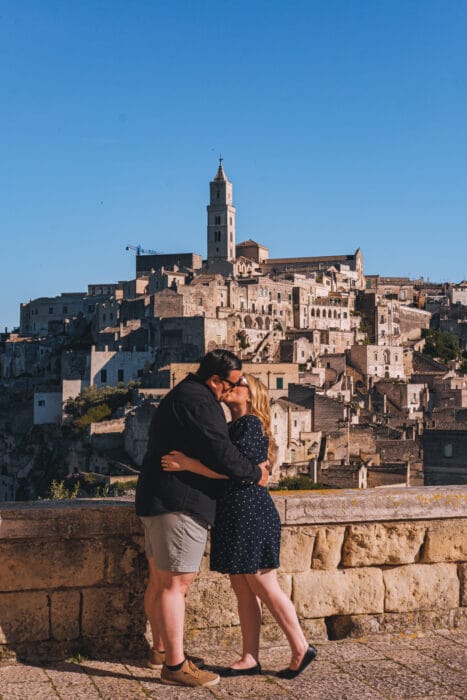
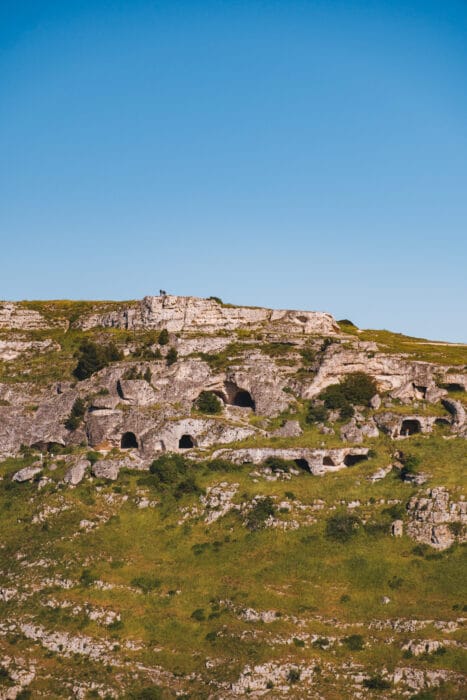
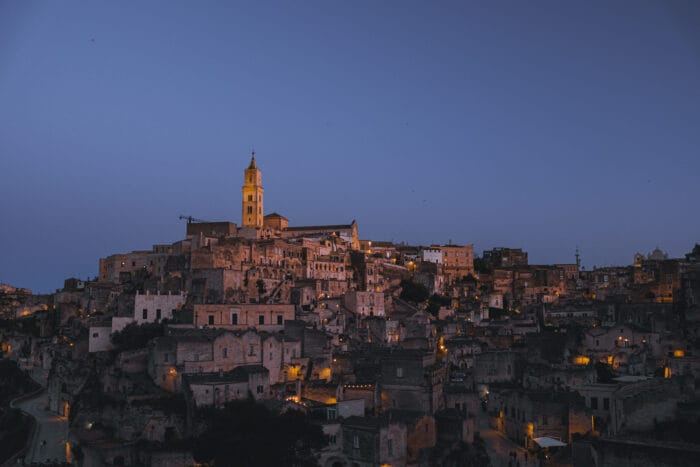
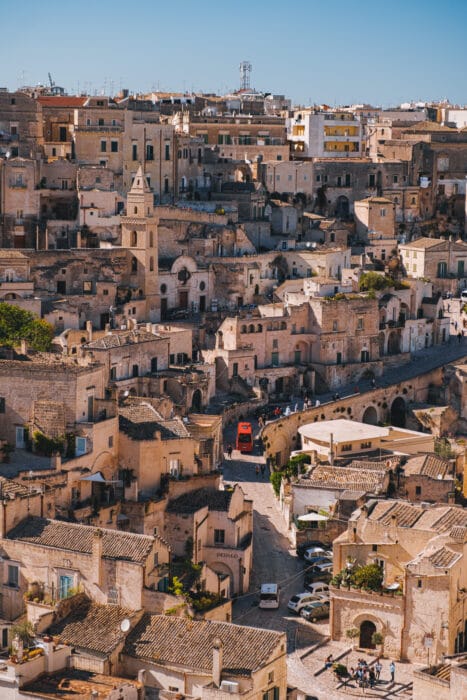
Inhabited for over 9,000 years, Matera is a city carved directly into the limestone rock and the oldest city in all of Europe. Its cave districts, the sassi, are UNESCO-listed and easy to explore on foot. The views are unlike anything else we’ve seen, and the first time we laid eyes on the sassi, we were completely breathless, even after watching countless videos of the place beforehand.
-
- Crédit photo: The Storytellers MTL
-
- Crédit photo: The Storytellers MTL
Via Flixbus, Matera is easily reachable from Puglia (about 3h30 from Lecce or 1 hour from Bari). Many travellers only stop for half a day, but in our opinion, the ultimate Matera experience comes from spending the night in a cave dwelling to truly absorb the magical atmosphere of the city. It’s the kind of destination that invites you to slow down and let yourself be amazed, especially once the city begins to glow in the evening.
Crédit photo: The Storytellers MTL
Must-Sees in Matera
- Piazzetta Pascoli: the classic belvedere overlooking both sassi districts (Sasso Caveoso and Sasso Barisano). One of the key viewpoints in the city.
- Belvedere Emilio Colombo: the best viewpoint in our opinion, less crowded and with an unobstructed view of the city at any time of day.
- Duomo Square: the cathedral perched at the top of the sassi, with views down over the cave rooftops below.
- Casa Grotta Nei Sassi: a reconstructed cave dwelling with period furniture. Fascinating for understanding what traditional life in the sassi was actually like.
- Getting lost in the lanes: the main activity and the best one. Stay into the evening when the lights transform the whole city.
- Crialoss, Panoramic Cave Cafe Bistrot: our absolute favourite for a special dinner with an exceptional view. A terrace carved into the rock looking directly out over the illuminated sassi at night. This is where we celebrated our 11th anniversary together, with a glass of bubbly and the most incredible cherry tiramisu (materamisu). Book in advance during high season.
Where to Stay in Puglia and Matera
Puglia offers one of the most diverse accommodation scenes in Italy. Here are the main options.
- Masserias: traditional farmhouses converted into charming stays with pools and farm-to-table dining. The quintessential Puglia experience.
- Trulli rentals: in Alberobello and throughout the Valle d’Itria. A one-of-a-kind stay available via rental platforms.
- Airbnb-style apartments: our choice for most stops on this trip. Well located, often more spacious than the photos suggest.
- Cave hotels in Matera: sleeping directly in a sasso, carved into the rock, is an experience in its own right.
Crédit photo: The Storytellers MTL
Best Time to Visit Puglia
We visited Puglia from late April through early May, and it’s a period we’d recommend without hesitation. The weather was gloriously sunny, temperatures hovered between 20 and 25 degrees, the beaches were quiet on weekdays and restaurants were easy to get into without reservations. We were swimming in the Adriatic by April 25th. The one exception: a rainy morning in Otranto that cleared up by early afternoon. Nothing that put a damper on anything.
- April and May (our recommendation): pleasant temperatures, smaller crowds and peaceful beaches. Ideal for sightseeing without the summer rush. A few cooler days are possible, which is actually welcome when the sky is completely clear.
- June: warm sea, great conditions for swimming, crowds still manageable.
- July and August (avoid if possible): peak season. Intense heat (35 degrees and above), higher prices, crowds everywhere. The dry heat in Alberobello in April already gave us a preview of what summer must feel like here.
- September and October: our second-best window. Sea still warm, golden light, noticeably fewer tourists.
Crédit photo: The Storytellers MTL
FAQ: Puglia and Matera Itinerary
How many days do you need to visit Puglia?
A minimum of 10 days is recommended to cover the highlights. Add 2 nights if you’re including Matera. For a more relaxed pace, 14 days gives you breathing room between stops and leaves space for unplanned days.
Can you visit Puglia without a car?
Absolutely. We completed this entire itinerary by train and bus without missing a single highlight. Trenitalia connections between Bari, Monopoli and Lecce are direct, frequent and very affordable. Matera is easily reachable by Flixbus from Lecce or Bari.
Monopoli or Polignano a Mare: where should you stay in Puglia?
We recommend Monopoli. The city is less touristy, the beaches more varied and accommodation more affordable. Polignano is spectacular, but far more popular. Staying in Monopoli and visiting Polignano as a day trip (10 minutes by train) is the best strategy in our opinion.
What is the best time to visit Puglia?
April and May are our favourite months: comfortable temperatures, fewer tourists and quiet beaches. We were swimming by late April during our visit. July and August are best avoided if possible since the heat is intense and prices double. September and October are also excellent alternatives.
What local food should you try in Puglia?
In Bari: orecchiette with cime di rapa (turnip greens) and spaghetti all’assassina, Panificio Santa Rita’s focaccia barese and fresh burrata. In the Salento peninsula: Caffe Leccese, pasticciotto and Leccese-style parmigiana. In Polignano: the Caffe Speciale. In Matera: the famous Matera IGP bread.
What is the difference between Puglia and Basilicata?
Puglia forms the heel of Italy’s boot, with Bari as its regional capital. Basilicata is the neighbouring inland region where Matera is located. Both regions pair naturally together for a single southern Italy trip.
With its enchanting villages, relaxed atmosphere on the Adriatic coast, and exceptional cuisine, Puglia is the perfect destination for your next European getaway! We hope our recommendations and favorite spots will help you create your own itinerary in this phenomenal region, promising a truly magical vacation!
Enjoy your trip!
*Some links in this article are affiliate links. This means that if you make a purchase by clicking on one of these links, we receive a small affiliate commission at no extra cost to you.